
section heading hidden

Our Latest News

17 Sep 2026
A Beginner's Guide to Slate Roof Restoration
Article
- Home
- Blog
- By The Heritage of Welsh Slate Quarrying
- Comments 35
- 19 Nov 2026
The Real Difference Between Slots, Poker, and Sports Betting
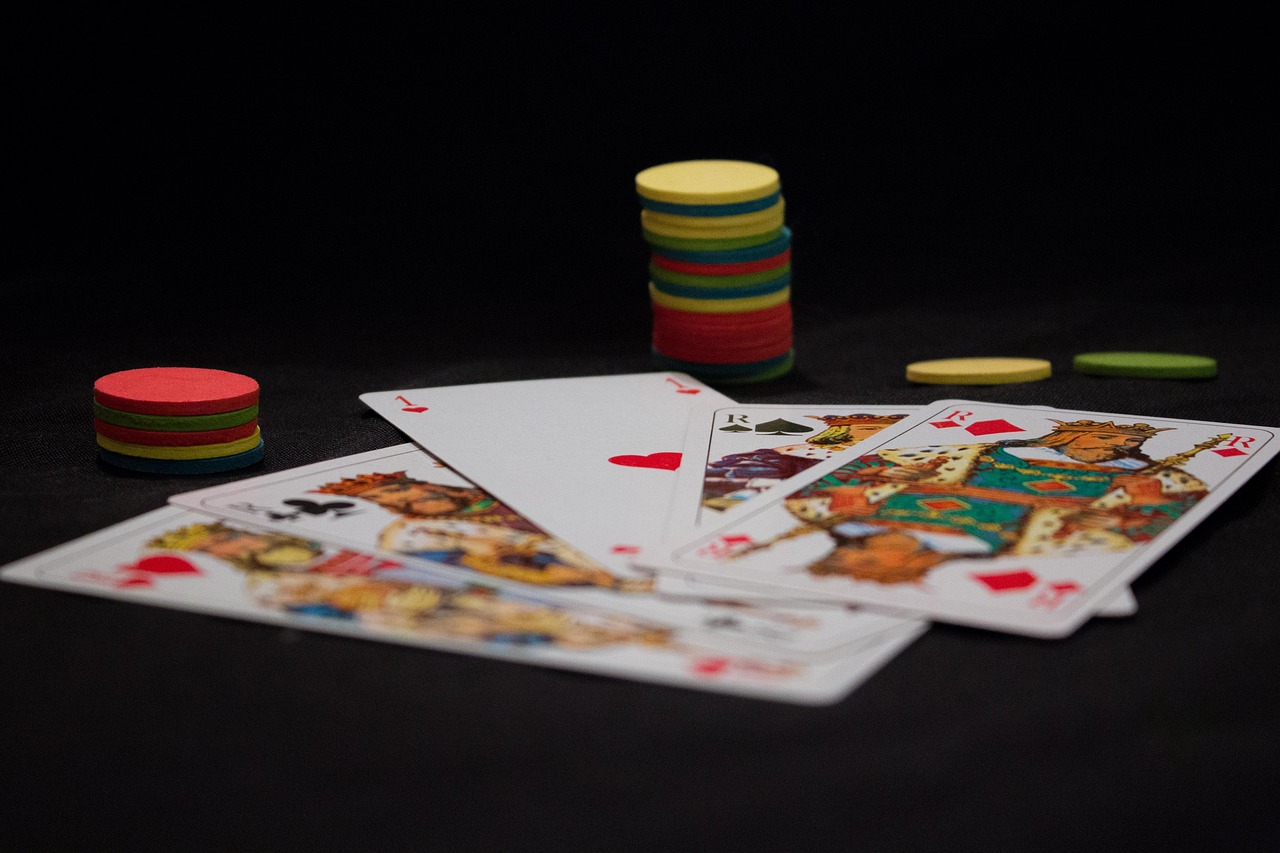
Walk into any online casino lobby and you'll see the same three doors: a wall of spinning reels, a poker room that feels like a private club, and a sportsbook board blinking with live odds. They all live under the iGaming umbrella, yet the people behind each door are playing fundamentally different games. One relies on math you can't beat, another rewards skill over thousands of hands, and the third is a war against the closing line. Knowing which door suits your temperament—and your bankroll—is the single most useful decision you can make.
Slots: The Purest Math in the Building
Slot machines are the least complicated product in iGaming and the most misunderstood. There's no opponent, no bluffing, no injury report to read. Every spin is an independent event governed by a Random Number Generator, and the house edge is baked into a number called RTP—return to player.
Modern video slots typically carry an RTP between 94% and 97%. A 96% RTP means that over millions of spins, the machine returns 96 cents for every dollar wagered. That sounds close to fair until you realize the remaining 4% is the casino's revenue, and it compounds brutally on high-volume play. Hit frequency matters just as much as RTP: a slot with a 96% RTP but a 15% hit rate will feel like a desert compared to one with a 96% RTP and a 35% hit rate. Same long-term math, radically different experience.
A few concrete numbers worth remembering:
- Low-volatility slots pay small amounts frequently—good for stretching a $50 session across a few hours.
- High-volatility slots like Money Train or San Quentin can go 200+ spins without a meaningful win, then pay 5,000x on a bonus.
- Max bet doesn't change RTP on most slots, but it often unlocks the top jackpot tier on progressive games.
The practical takeaway: pick volatility that matches your session length, not your mood. If you have 30 minutes, high volatility will almost certainly eat your balance before it pays.
Poker: The Only Game Where You Can Actually Win Long-Term
Poker is the outlier. In every other iGaming vertical, the house takes a cut and you're fighting uphill. In poker, you're playing against other humans, and the house simply rakes the pot. That means a skilled player can post a genuine long-term profit—something no slot or roulette wheel will ever offer. สล็อต offers a practical breakdown of the topic.
But "skilled" is doing a lot of work in that sentence. The gap between a break-even player and a winning one at micro-stakes is roughly 2 to 4 big blinds per 100 hands. At $0.05/$0.10 no-limit hold'em, that's 20 to 40 cents per 100 hands. Play 1,000 hands a week and you're looking at a few dollars. The real money sits at $1/$2 and above, where the player pool thins out and recreational money dries up.
Three things separate profitable players from the rest:
- Position discipline. Playing too many hands from the blinds is the most common leak. Fold more, win more.
- Bankroll management. Twenty buy-ins minimum for cash games, 100 for tournaments. Running $200 at $1/$2 is a guarantee of ruin.
- Session review. Tracking hands in software like Hold'em Manager or PokerTracker isn't optional if you want to improve.
If you want the thrill of competition and a shot at real profit, poker is your lane. If you want to switch off your brain, it absolutely isn't.
Sports Betting: Information Versus the Closing Line
Sports betting rewards people who know something the market doesn't. That's a shrinking group. Modern sportsbooks use sharp closing lines that incorporate every piece of public information—injuries, weather, travel schedules, even Twitter rumors. Beating the closing line consistently is the only reliable proof that you have an edge.
Here's the reality of the vig. A standard -110 line on both sides of a spread means you need to win 52.38% of your bets just to break even. Most recreational bettors hit between 48% and 51%. That's not a bad-luck story; it's a math story.
Where sharp bettors find value:
- Player props in niche markets where books are slow to adjust.
- Live betting during momentum swings that overreact to a single play.
- Smaller leagues—League of Legends, lower-division soccer—where limits are low but inefficiencies are real.
If you're betting for entertainment, set a weekly budget and treat it as the cost of a ticket. If you're betting to win, you need a data source, a staking plan, and the discipline to bet less when you're unsure.
Matching the Game to Your Bankroll and Personality
Most iGaming advice ignores the most important variable: you. A $500 bankroll playing $2 slots will last one bad session. The same $500 in micro-stakes poker is 250 buy-ins—enough to learn without bleeding out.
Quick framework:
- Short attention span, entertainment focus: low-volatility slots with 96%+ RTP.
- Competitive, patient, analytical: poker, starting at the lowest stakes available.
- Sports knowledge and research habit: sports betting on niche markets with strict unit sizing.
There's no shame in any answer. The only genuinely bad choice is playing a game that doesn't match how you actually behave under pressure.
The Common Thread: House Edge and Variance
Every iGaming product is some combination of two forces. House edge is the long-run tax. Variance is how violently your results swing around that average in the short run. Slots maximize variance. Sports betting minimizes edge. Poker removes the house edge entirely but replaces it with opponent skill—a variable you can actually influence.
Players who last don't chase losses or switch games after a bad night. They pick one vertical, learn its math cold, and grind out a small edge or a controlled entertainment budget. That's not exciting advice, but it's the advice that keeps your account funded.
Final Thoughts
iGaming gets marketed as one big thrill, but slots, poker, and sports betting are three different disciplines wearing the same logo. Slots are entertainment with a fixed cost. Poker is a skill game with a learning curve that never flattens out. Sports betting is an information market where the smart money moves quietly. Figure out which one matches your temperament, bankroll, and tolerance for losing streaks—then treat it like the discipline it is. The players who survive in this space aren't the luckiest ones. They're the ones who knew exactly what they signed up for.
Share:

How Slate Roofs Shape British Architecture
Simple checks can prevent slipped slates and blocked gutters from causing damp, rot and costly structural damage in period properties.
5 Comments
-

Robert Sonny says Jul 21, 2024 at 10:00am
I must explain to you how all this mistaken idea of denouncing pleasure and praising pain was born and I will give you a complete account of the system
Reply-

John Abraham says Jul 21, 2024 at 10:00am
I must explain to you how all this mistaken idea of denouncing pleasure and praising pain was born and I will give you a complete account of the system
Reply-

Robert Sonnysays Jul 21, 2024 at 10:00am
I must explain to you how all this mistaken idea of denouncing pleasure and praising pain was born and I will give you a complete account of the system
Reply
-
-
-
Robert Sonny says Jul 21, 2024 at 10:00am
I must explain to you how all this mistaken idea of denouncing pleasure and praising pain was born and I will give you a complete account of the system
Reply
Leave a reply

Trending Topics
Popular Post
6 Sep 2026
Designing a Durable Slate Kitchen Worktop

4 Sep 2026
Using Slate in Contemporary Garden Design
30 Aug 2026
A Guide to Slate Roofing for Listed Buildings

27 Aug 2026
How to Clean Slate Tiles Without Damage


How We Can
Help You!
Compare breathable membranes and bitumen felts to find a suitable underlay that balances ventilation, weather protection and budget for your roof.
Contact Us
There are many variations of passages of We spend our time finding what works so you don't have to, and sharing exactly what made the difference.
Important Link
Recent Post
-
Comparing Natural Slate and Synthetic Alternatives
23 Aug 2026 -
Slate Quarrying Techniques Through British History
19 Aug 2026
Newsletter
Many desktop publi’s shing packages web page editors now is use sites.
Copyright © 2026 Slate Story. All rights reserved.Slate Story.